

The New Year often begins with excitement, fresh planners, and big resolutions. But when it comes to children, the real opportunity isn’t about dramatic promises—it’s about building habits that quietly shape their confidence, focus, and learning ability over time.
For parents exploring structured learning programs like UCMAS, the New Year is a powerful moment to reset routines and introduce meaningful learning goals for kids—without pressure or overwhelm. When goal-setting is done right, it helps children grow into independent, motivated learners rather than reluctant followers of instructions.
Let’s explore how parents can turn New Year goal-setting into a foundation for lifelong learning.
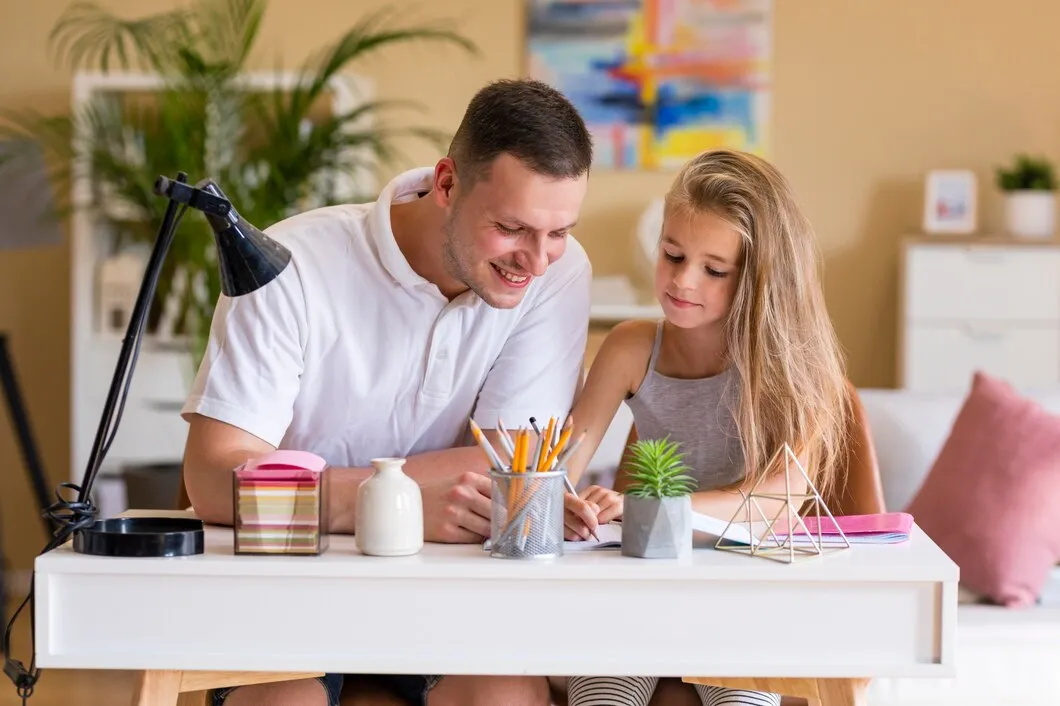
Why Goal-Setting Matters for Kids (Beyond Academics)
Children are constantly navigating expectations—schoolwork, tests, extracurriculars, and comparisons. Goal-setting gives them something far more valuable than targets: direction and ownership.
Goals Teach Children How to Think, Not Just What to Achieve
When children set goals, they begin to understand planning, effort, and progress. Instead of focusing only on outcomes like grades, they learn how improvement happens. This shift builds problem-solving, self-awareness, and the ability to reflect—skills that matter far beyond school.
SGoal-Oriented Kids Develop Stronger Learning Habits
Clear learning goals for kids encourage consistency. Instead of last-minute studying, children start showing up daily—even if only for a short period. Over time, these small routines evolve into productivity habits for kids that feel natural, not forced.
Small Wins Build Confidence and Motivation
Achievable goals create quick wins. When children experience progress, their confidence grows. This sense of “I can do this” fuels motivation, reduces learning anxiety, and makes children more willing to try challenging tasks.
Age-Appropriate Goal-Setting — What Works at Each Stage
Not all goals work the same way for every child. Effective goal-setting adapts to a child’s age, maturity, and attention span.
Goal-Setting for Younger Kids (Ages 5–7)
At this age, goals should focus on habits rather than results. Simple goals like daily reading time, basic math practice, or improving focus work best. Visual trackers, stickers, and verbal encouragement help reinforce effort without pressure.
Goal-Setting for Middle Childhood (Ages 8–10)
Children can now understand short-term goals. Weekly learning goals for kids—such as improving mental math speed or reading fluency—work well. Parents should involve children in discussions and track progress together in a positive, supportive way.
Goal-Setting for Pre-Teens (Ages 11–13)
Older kids benefit from more independence. Encourage them to set their own academic or skill-based goals and reflect on what’s working. Discussions around effort versus outcomes help children develop accountability and resilience.
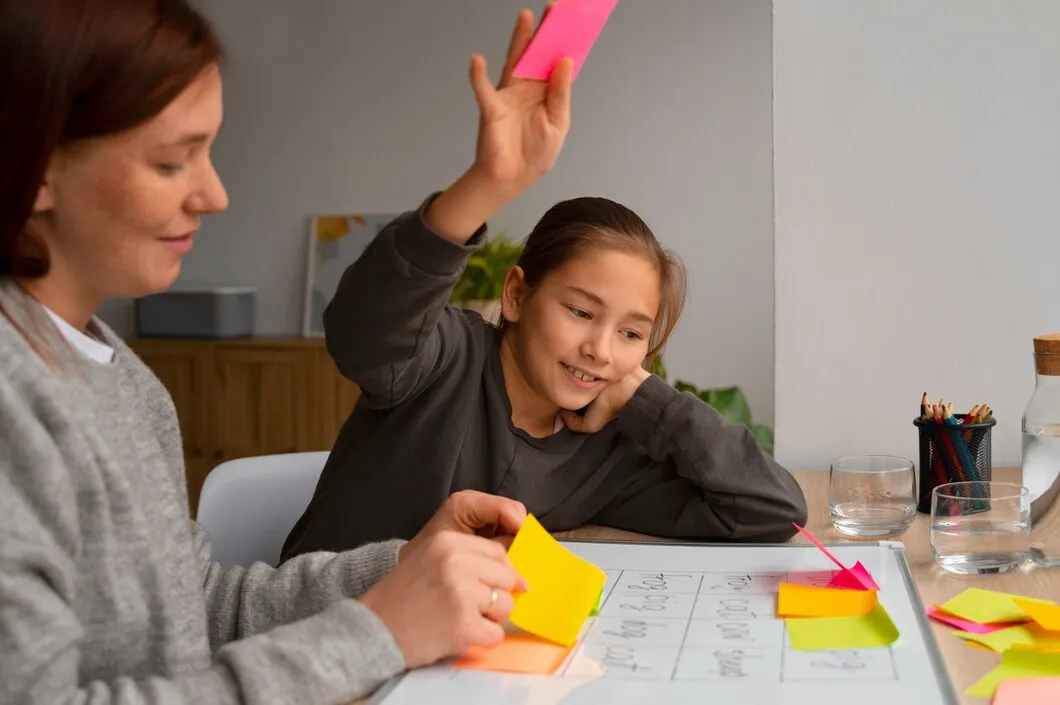
The New Year Goal-Setting Worksheet (Step-by-Step Guide for Parents)
A worksheet shouldn’t feel like homework. It should feel like a conversation that helps children understand themselves better.
Step 1 – Start With Reflection, Not Targets
Before setting new year goals for kids, it’s important to ease children back into structure, especially after the holidays. Start rebuilding your child’s learning routine by talking about the past year: what they enjoyed learning and what felt challenging. This kind of reflection helps children feel heard and ready before any new learning goals are introduced.
Step 2 – Choose 2–3 Learning-Focused Goals
Too many goals lead to burnout. Pick just two or three learning goals for kids that balance academics and cognitive skills—such as focus, mental math, or confidence. Fewer goals mean better follow-through.
Step 3 – Break Goals Into Simple Weekly Actions
Big goals become achievable when broken into small habits. Weekly actions—short daily practice or consistent revision—help children stay on track. This approach naturally builds productivity habits for kids without long study hours.
Step 4 – Use a Visual Progress Tracker
Charts, calendars, or habit trackers make progress visible. Let children mark their own consistency. Celebrate effort, not perfection—because showing up matters more than flawless execution.
The Parent’s Role: From Enforcer to Learning Partner
Children rarely fail at goals—they struggle with inconsistent systems. Parents play a key role in shaping those systems.
1. Create a Predictable Learning Routine
Fixed study times reduce resistance. When learning happens at the same time daily, children stop negotiating and start participating. After long breaks, rebuilding structure gently is crucial—resources like this guide on rebuilding a child’s routine after winter break can help parents reset smoothly.
2. Encourage Effort-Based Feedback
Praise effort, focus, and persistence instead of only results. This teaches children that growth comes from consistency, not perfection. Over time, children internalize this mindset and become self-motivated learners.
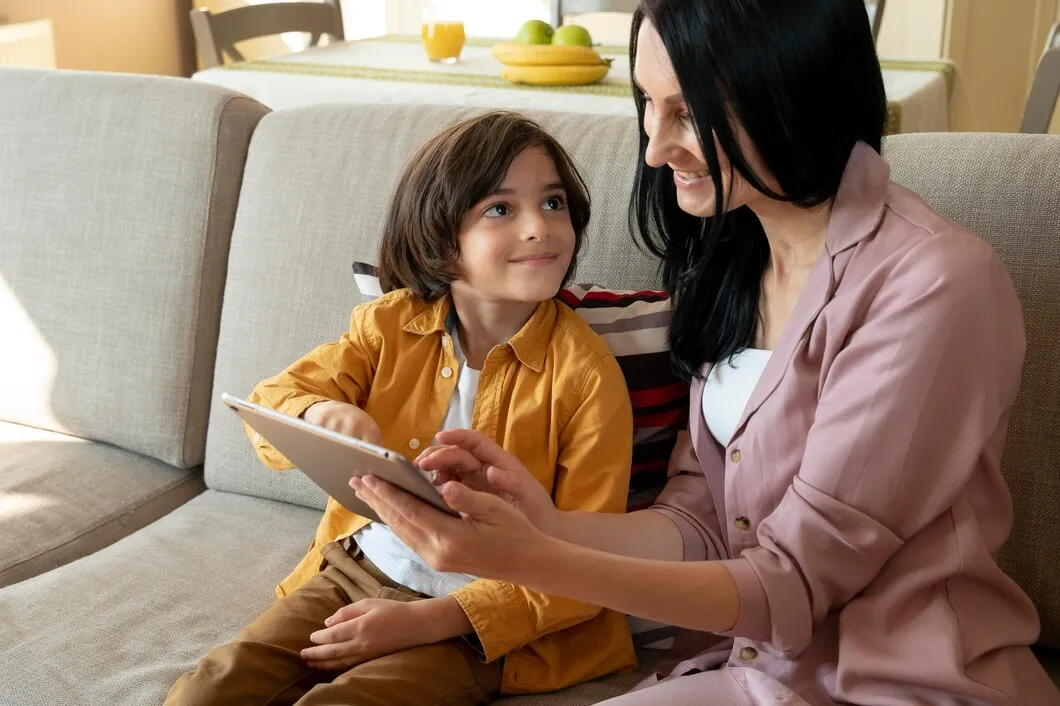
3. Model Goal-Setting Through Your Own Behavior
Children learn by watching. When parents share their own small goals and adjustments, children see that goal-setting is flexible and human—not rigid or stressful.
Turning New Year Goals Into Long-Term Learning Habits
The real success of new year goals for kids isn’t January enthusiasm—it’s habits that last through the year.
Review Goals Monthly, Not Daily
Frequent checking creates pressure. Monthly reviews encourage reflection and adjustment without micromanagement. These check-ins should feel like conversations, not evaluations.
Let Goals Evolve With Your Child
Children grow, interests change, and capacity improves. Adjusting goals isn’t failure—it’s growth. Flexibility keeps motivation intact and learning enjoyable.
Reinforce That Learning Is a Journey
Avoid comparisons with peers. Emphasize progress over speed. When children enjoy learning, productivity habits for kids develop naturally and sustainably.
Start the Year by Building Habits, Not Pressure
The New Year doesn’t need to begin with pressure-filled resolutions. It can begin with calm routines, clear learning goals for kids, and a supportive environment that builds confidence step by step.
Programs like UCMAS, which focus on structured, brain-based learning, align naturally with this approach—helping children develop focus, mental agility, and lifelong learning habits.
If you want this year’s goals to translate into real learning progress, structure matters. We, at UCMAS, help children turn consistent practice into confidence, speed, and focus—skills that extend far beyond academics.
Ready to begin your child’s learning journey?
Register today by filling out the enrollment form because building strong habits today creates confident learners tomorrow.