



For many parents, academic success is often measured through grades, report cards, and exam results. But true academic excellence goes much deeper than numbers on a page. It is reflected in how a child thinks, focuses, handles pressure, and approaches learning itself.
This is where the UCMAS International Competition 2025 stands out. While widely known as a global mental math event, the International Competition plays a far bigger role in shaping young learners. It creates an environment where children develop discipline, confidence, and cognitive skills that support academic performance across subjects—not just mathematics.
In this blog, we explore what the UCMAS International Competition is, how it contributes to academic excellence beyond math, and why early exposure to international competitions can have a lasting impact on a child’s educational journey.
What Is the UCMAS International Competition? A Global Learning Experience
The UCMAS International Competition, often referred to internally as ILC, is a global platform that brings together UCMAS students from different countries to test their mental calculation abilities in a structured, time-bound environment. Students compete across carefully designed levels based on age and proficiency, ensuring fair yet challenging participation.
Unlike routine classroom assessments, the International Competition places children in a competitive yet disciplined setting that demands accuracy, speed, and sustained focus.
Although mathematics is at the core of the competition, the learning impact extends far beyond numbers. Participants must manage time pressure, stay mentally composed, recall information quickly, and perform confidently in an unfamiliar environment.
These demands closely mirror the skills required for academic success across subjects, making the International Competition a holistic learning experience rather than a subject-specific test.
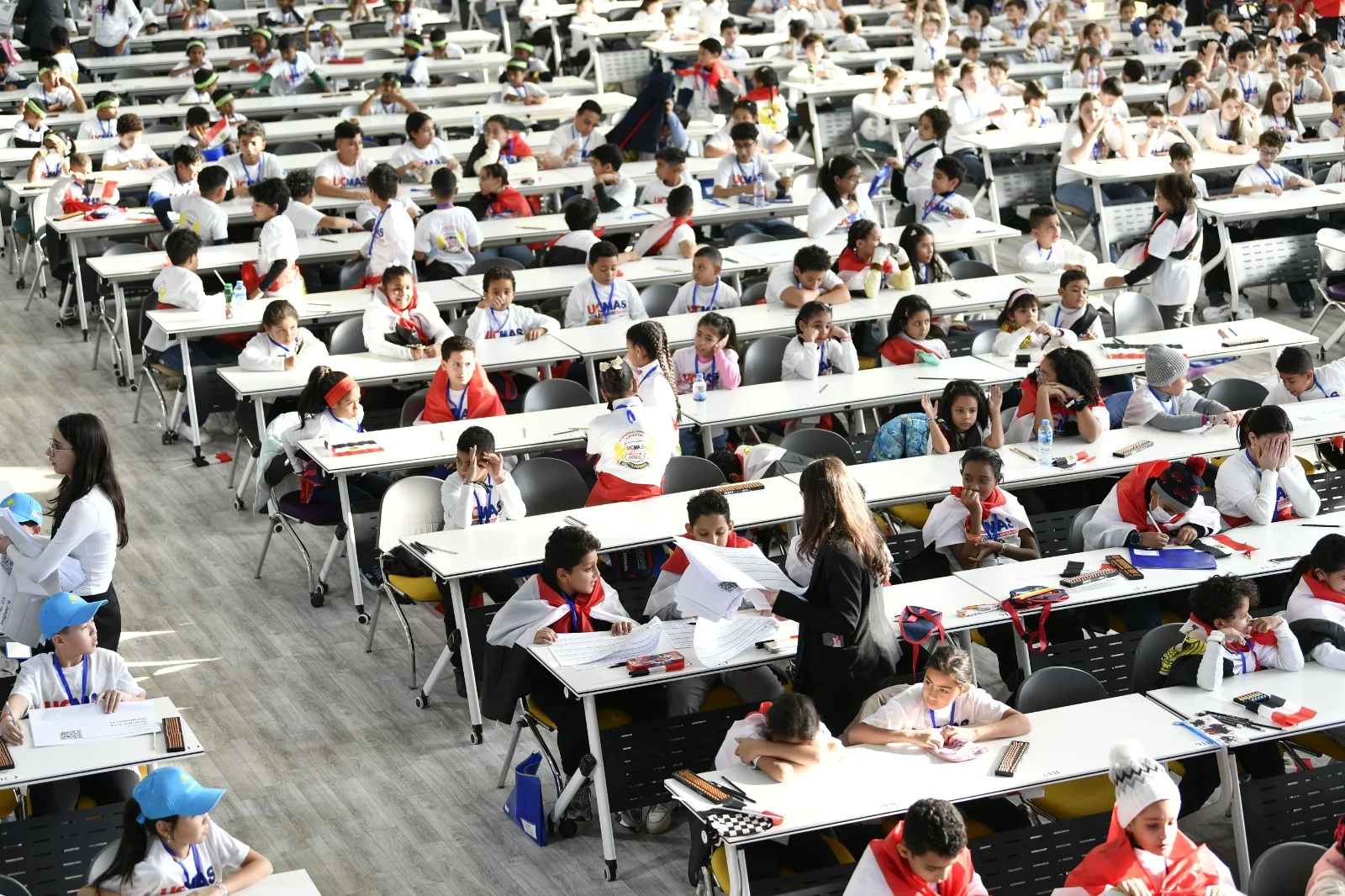
The UCMAS International Competition (ILC) 2025 was a major global event for young mental math champions, held in Georgia on December 6-7, 2025, bringing together over 1500 students from 80 different countries for a test of abacus and mental math skills. Young participants from the USA and elsewhere competed to win prestigious titles, showcasing incredible speed, focus, and concentration.
How the International Competition Helps Build Academic Excellence Beyond Mathematics
Academic excellence today is not defined by subject knowledge alone. It is shaped by how effectively a child can learn, apply concepts, and perform under pressure.
1. Strengthening Concentration and Attention Span
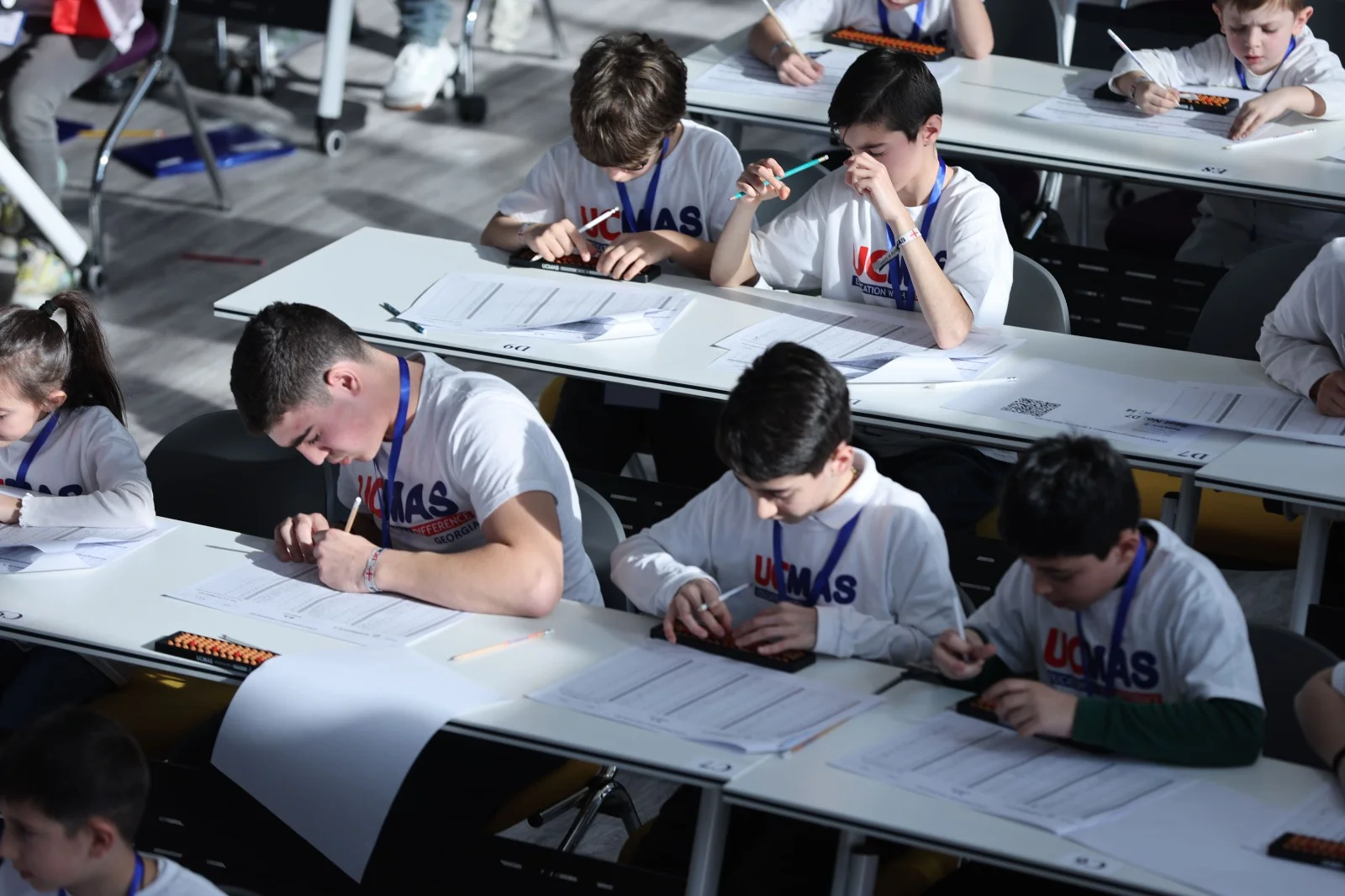
Preparing for the International Competition requires children to focus deeply for extended periods. Regular practice gradually builds attention control, helping students concentrate better in classrooms, during homework sessions, and while studying for exams.
2. Enhancing Memory, Speed, and Information Processing
Mental calculation strengthens working memory and processing speed. Over time, children become better at retaining information and recalling it quickly—skills that support learning in science, languages, and analytical subjects.
3. Developing Structured Thinking and Accuracy
The competition encourages children to follow logical steps and maintain accuracy even under time constraints. This habit of structured thinking translates well into academic problem-solving, helping reduce careless errors across subjects.
4. Building Exam Readiness and Performance Confidence
The time-bound nature of the International Competition closely resembles exam conditions. Children learn to pace themselves, manage stress, and stay composed, which often results in improved confidence and performance during school examinations.
Why Early Exposure to Competitions Like the International Competition Matters
The age at which children are introduced to structured challenges plays a crucial role in shaping their academic mindset.
1. Helping Children Embrace Healthy Competition
Early participation helps children understand competition in a positive way. They learn discipline, respect for effort, and how to focus on self-improvement rather than outcomes alone.
2. Encouraging Goal-Setting and Consistent Effort
Preparing for the International Competition introduces children to goal-setting and routine practice. These habits naturally extend into academics, encouraging consistency and responsibility in studies.
3. Building Emotional Resilience at a Young Age
Competitions expose children to pressure and expectations. Facing these experiences early helps them build emotional resilience, teaching them how to recover from setbacks and stay motivated.
4. Shaping a Growth-Oriented Learning Mindset
Through preparation and participation, children begin to understand that improvement comes with practice and persistence. This growth mindset supports long-term academic success and confidence.
The Role of International Exposure in a Child’s Academic Journey
Global exposure adds a powerful dimension to a child’s learning experience.
1. Expanding Perspective Beyond Local Classrooms
Interacting with peers from different countries allows children to see learning through a global lens. This exposure often sparks curiosity and a deeper interest in education.
2. Boosting Self-Belief Through Global Participation
Participating in an international competition builds a strong sense of self-belief. Children who experience this early often become more confident in classroom discussions, presentations, and leadership roles.
3. Creating Early Awareness of Global Standards
The International Competition introduces children to global benchmarks of excellence. This early awareness prepares them mentally for future academic challenges and international opportunities.
How ILC Becomes a Foundation for Long-Term Academic and Life Success
The true value of the UCMAS International Competition lies in the skills children carry forward long after the event.
Focus, discipline, confidence, and resilience are transferable skills developed through ILC preparation. These qualities continue to support academic performance year after year.
Many parents view the International Competition not as a one-time event, but as a meaningful developmental experience. The mindset, confidence, and learning habits built through global competition often influence a child’s academic journey well into the future.

Why the UCMAS International Competition 2025 Matters
The UCMAS International Competition 2025 is far more than a mental math contest. It is a global learning platform that builds academic excellence beyond mathematics by strengthening focus, confidence, resilience, and learning discipline.
By exposing children to international standards early, the competition helps shape confident, capable, and future-ready learners. For parents seeking holistic academic development, the International Competition represents a powerful step toward long-term success.