



In today’s digital world, children grow up surrounded by screens. Tablets, smartphones, laptops, and smart TVs have become part of everyday life—used for learning, entertainment, and even social interaction. In Canada, many children are exposed to screens for several hours each day, especially after the rise of online learning during the pandemic.
While technology provides useful educational tools, researchers and educators are increasingly asking an important question: does excessive screen exposure affect how children think, learn, and focus? Concerns around screen time cognitive performance in children are becoming more common among parents who notice changes in their child’s concentration, memory, and learning behavior.
Programs like UCMAS emphasize active learning methods that strengthen brain function rather than passive digital consumption. Understanding how screen habits and excessive screen time impacts child development can help parents build healthier learning environments that support stronger cognitive growth.
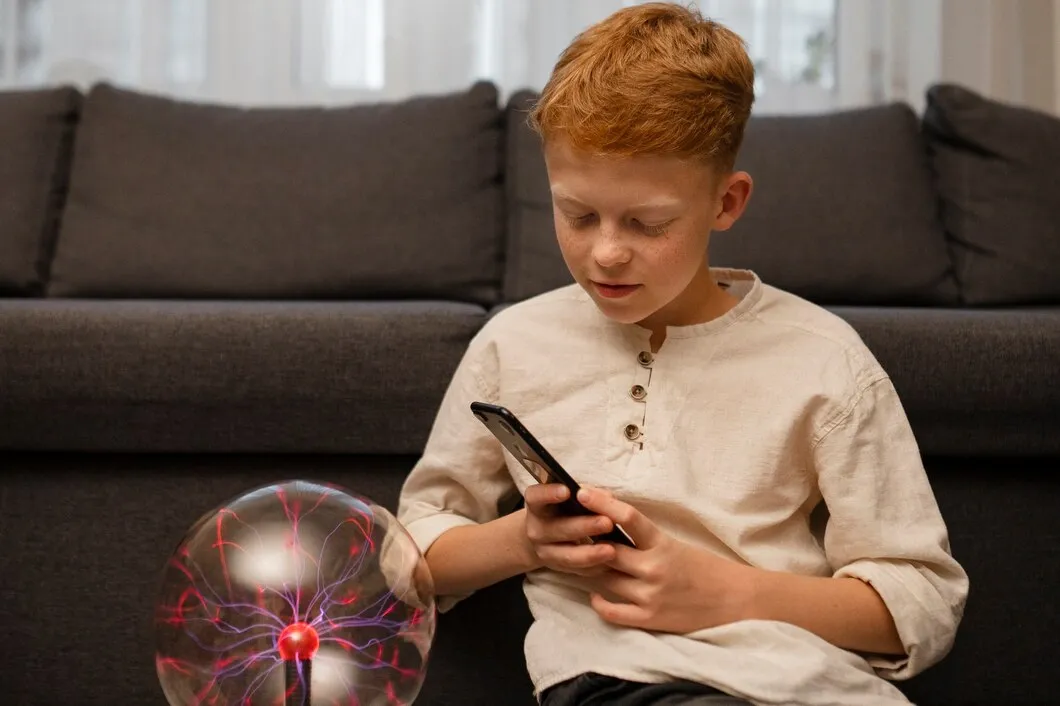
How Much Screen Time Do Kids Have Today?
Before understanding its impact, it is important to examine how much time children actually spend on screens.
Average Daily Screen Time Among Children
Research shows that children today spend anywhere between 3 to 7 hours daily on screens, depending on their age. Screen use includes:
- Watching videos on streaming platforms
- Playing mobile games
- Attending online classes
- Using social media or digital apps
Even preschoolers are increasingly exposed to tablets and smartphones through so-called “educational apps.” While these tools can support learning when used correctly, excessive exposure raises concerns about screen time effects on kids brain and their long-term learning habits.
Pandemic Acceleration of Digital Exposure
The COVID-19 pandemic significantly increased children’s reliance on digital devices. Online schooling became the norm for months, and many of those habits continued afterward.
Children who once spent limited time on screens suddenly began using them for:
- classes
- homework
- entertainment
- communication with friends
As a result, many parents report changes in the attention span in kids, particularly when transitioning back to traditional classroom environments.
Why Parents Are Becoming Concerned
Many parents observe that excessive screen use can lead to:
- shorter focus periods during homework
- reduced patience for problem-solving tasks
- preference for instant digital entertainment over analytical activities
These patterns have raised awareness around the potential relationship between screen time and memory loss in kids and their overall cognitive performance.
How Excessive Screen Time Impacts Brain Development
The brain develops rapidly during childhood, making early experiences extremely important. Excessive digital stimulation can influence how cognitive functions evolve over time.
Impact on Attention Span
Many digital platforms are designed to deliver fast-paced, constantly changing content. This trains the brain to expect quick stimulation and immediate rewards.
Over time, children may struggle with tasks that require sustained focus, such as reading, writing, or solving math problems. The result is a noticeable decline in attention span in kids, especially during activities that demand concentration.
Parents often notice this pattern when children find it difficult to sit still or complete assignments without distractions.

Impact on Memory Retention
Passive digital activities—like scrolling or watching short videos—do not require active thinking. Because the brain is not deeply engaged, information is less likely to be stored effectively.
This can contribute to memory loss in kids, where children rely on devices rather than developing their own recall abilities.
Memory is strengthened through active mental engagement, not passive consumption.
Impact on Problem-Solving Ability
When children rely heavily on technology for answers, they may have fewer opportunities to develop independent reasoning skills.
Problem solving requires the brain to:
- analyze patterns
- recall information
- experiment with solutions
Without these mental exercises, the brain receives less mental stimulation for kids, which can affect long-term cognitive development in children.
Research Studies Linking Screen Overuse with Cognitive Decline
Scientific research increasingly explores how digital habits influence children’s learning abilities.
Brain Imaging Studies
Some neuroscience studies using MRI scans have found differences in brain development among children with high levels of screen exposure. These differences are often observed in regions responsible for language processing, attention control, and executive function.
These findings highlight the potential connection between the screen time and structural brain development in children.
Studies on Academic Performance
Educational researchers have also examined how screen exposure relates to academic outcomes. Several studies indicate that excessive screen time is associated with:
- lower concentration levels
- difficulty completing complex tasks
- weaker academic performance
Children who spend large amounts of time on screens may struggle with child focus improvement, particularly when tasks require sustained mental effort.
Pediatric Guidelines
Many pediatric organizations recommend limiting recreational screen time and encouraging balanced activities that support brain development activities for children.
Parents are advised to combine digital learning with hands-on activities that stimulate the brain.
Signs Screen Time Is Affecting Your Child’s Cognitive Skills
Parents may notice subtle behavioral changes when screen use begins affecting learning.
Difficulty Maintaining Focus
Children may struggle to stay focused in schools during schoolwork or reading tasks. If your child frequently switches activities or becomes distracted easily, it may signal reduced attention span in kids.
Decline in Memory and Recall
Children may begin forgetting instructions, lessons, or previously learned information. This can sometimes be linked to excessive passive content consumption.
Reduced Interest in Analytical Activities
Children may prefer entertainment over activities that require thinking, such as puzzles, math problems, or reading.
When the brain becomes accustomed to instant digital rewards, analytical learning may feel less appealing.
Active Learning vs Passive Screen Consumption
Not all learning experiences stimulate the brain equally. The difference lies between passive consumption and active cognitive engagement.
What Is Passive Screen Consumption?
Passive consumption includes activities such as:
- watching videos
- scrolling through social media
- repetitive gaming
These activities provide stimulation but little cognitive effort.
What Is Active Cognitive Learning?
Active learning requires the brain to participate in the process. Examples include:
- solving puzzles
- mental arithmetic
- creative problem solving
- interactive learning tools
Research shows that brain development activities for children help build stronger neural connections compared to passive digital engagement.
Why Active Learning Strengthens the Brain
When children engage in analytical activities, multiple brain regions activate simultaneously. This strengthens neural pathways related to memory, reasoning, and creativity.
This article on how tactile learning outperforms math apps explains how hands-on learning approaches stimulate deeper cognitive processing than digital learning alone.
How Abacus Training Improves Brain Performance
One powerful example of active cognitive training is abacus-based mental math learning.
Strengthening Focus and Concentration
Abacus training requires children to visualize bead movements while performing calculations. This mental imagery exercise demands sustained concentration, helping support child focus improvement.
Parents often notice improvements in both academic focus and daily learning behavior.

Developing Visualization and Mental Imagery
When children practice abacus techniques, they gradually begin performing calculations mentally by imagining the abacus in their minds.
The science behind abacus learning says that it helps strengthen the visual-spatial processing and provides powerful mental stimulation for kids.
Building Strong Neural Pathways
Repeated mental calculations strengthen communication between the left and right hemispheres of the brain. This improves memory, reasoning ability, and overall cognitive development in children.
Parents interested in understanding these benefits further can explore how abacus learning improves focus and memory in kids.
Even discussions around modern technology and children’s learning habits—such as those explored in AI and children: friends or frenemies highlight the importance of balancing digital tools with strong cognitive training.
Healthy Screen Habits Parents Should Follow
Technology is not the enemy of learning. The key lies in managing it wisely.
Set Clear Screen Time Limits
Parents can establish daily limits for recreational screen time and encourage structured use rather than constant access.
Encourage Brain-Stimulating Activities
Activities like puzzles, reading, mental math, and creative play offer excellent brain development activities for children. These activities provide the kind of deep thinking that strengthens learning abilities.
Create Screen-Free Learning Zones
Designating device-free times—such as during meals or homework—helps children develop healthier learning habits and better concentration.
Balancing Digital Tools with Brain Training
Screens will always remain a part of modern childhood. The goal is not to eliminate technology but to create a balance between digital learning and activities that strengthen cognitive skills.
Excessive screen exposure can affect focus, memory, and problem-solving ability, making it important for parents to monitor their child’s digital habits carefully.
By combining responsible screen use with strong cognitive learning programs, children can build better concentration, sharper memory, and stronger analytical thinking skills.
Programs that encourage active mental engagement—such as UCMAS’s abacus training—help provide the mental exercise necessary for healthy brain development.
If you want to support your child’s concentration, memory, and problem-solving abilities, structured mental math training at UCMAS can make a meaningful difference.
Enrol your child today and experience the difference.