



When EQAO season approaches in Ontario, many households notice a subtle shift. Homework time feels heavier. Simple math questions take longer. Confident children suddenly say, “What if I fail?”
It’s not always about ability.
Often, it’s about anxiety.
And here’s the good news: math anxiety doesn’t have to wait until Grade 3 or 6 to be addressed. With the right foundation, especially through structured abacus training for kids provided by programs like UCMAS, children can build their confidence and calmness early.
This is exactly what they need long before EQAO exams enter the picture.
Let’s break it down.
What Is Math Anxiety — And Why Does It Start So Early?
Math anxiety isn’t about intelligence. It’s an emotional reaction to numbers, problem-solving, or timed tests.
Defining Math Anxiety in Children
Math anxiety can show up as:
- Stomach aches before math class
- Avoiding homework
- Freezing during tests
- Saying “I’m just bad at math”
Even bright students experience this. In fact, research shows that anxiety can interfere with working memory — meaning a child may know the answer but struggle to access it under pressure.
The key goal is not just better math scores. It’s helping children reduce math anxiety before it becomes part of their identity.
How Early Experiences Shape Math Identity
Children form beliefs about themselves quickly. One difficult timed test. One public mistake at the board. One comparison with a faster classmate.
That’s often enough.
If early math feels confusing or rushed, children start to associate numbers with stress instead of logic. Over time, this turns into avoidance.
Building math confidence for children early helps prevent this cycle. Instead of “I can’t do math,” they begin to think, “I just need to solve it step by step.”
Why Math Anxiety Is Hard to Reverse Later
The longer anxiety exists, the stronger it becomes.
Stress hormones affect concentration. Fear reduces speed. A child who feels anxious will often rush or shut down — especially during standardized exams.
That’s why early intervention matters. Confidence is much easier to build at age 6 than to repair at age 12.
The Impact of EQAO Pressure on Young Minds

EQAO (Education Quality and Accountability Office) assessments are written in Grade 3 and Grade 6 across Ontario. While teachers reassure students that it’s just an assessment, children often feel it’s a “big test.”
What Makes EQAO Stressful?
- Timed sections
- Multi-step word problems
- Written explanations
- Quiet, exam-style settings
For children who lack automatic calculation skills, this can feel overwhelming.
Parents often look for practical EQAO stress tips when exam season approaches. But stress management becomes much easier when foundational skills are already strong.
You can explore this guide that provides meaningful tips to get a good score in EQAO.
How Test Pressure Amplifies Anxiety
Imagine trying to solve a long division problem while worrying about the clock. Anxiety consumes mental space.
Students who rely on finger counting or slow calculation feel the pressure first. Students with strong number sense remain calmer because the basics are automatic.
This is where structured abacus training for kids plays a powerful role. When calculations become faster and more visual, pressure decreases.
The Confidence Gap
Two students can understand the same concept — but the one with speed and accuracy feels calmer.
That calmness matters.
Confidence affects performance as much as skill does. When children develop strong exam readiness skills, they approach EQAO with clarity instead of panic.
How Early Abacus Training Builds Confidence Before EQAO

Now let’s talk about solutions.
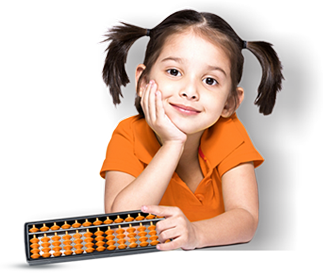
Early abacus training for kids is not about memorizing tricks. It’s about building brain pathways that strengthen number sense, focus, and speed.
Strengthening Foundational Number Sense
Abacus learning makes numbers visual. Children see place value. They understand how digits move and combine.
Over time, they transition from physical beads to mental visualization.
This strengthens:
- Addition and subtraction fluency
- Multiplication and division clarity
- Speed without confusion
You can read more about how children grasp abacus concepts naturally in this article on how kids learn abacus more easily than adults.
When basics become automatic, children begin to reduce math anxiety because they trust their ability to calculate.
Building Speed Without Stress
Speed doesn’t have to feel forced.
In structured programs like UCMAS, children practice timed exercises in a supportive environment. Over time, their brain processes numbers visually and rapidly.
Instead of feeling rushed during exams, they feel prepared.
This is one of the strongest EQAO stress tips parents overlook — practice in calm conditions builds calmness under pressure.
Improving Working Memory and Focus
Mental abacus strengthens concentration. Children learn to hold numbers in their mind while solving multi-step problems.
That directly supports:
- Word problem solving
- Logical reasoning
- Multi-step calculations
These are essential exam readiness skills for EQAO assessments.
Creating a Positive Math Identity
Perhaps the most powerful benefit?
Children begin to enjoy math.
Success experiences matter. When a child solves problems quickly and accurately, their self-talk changes.
From “Math is scary.”
To “Math is easy.”
That shift builds lasting math confidence for children — not just for EQAO, but for years ahead.
For more practical ways to build confidence daily, explore these everyday strategies to strengthen your child’s math confidence.
What Research Says About Early Math Skill Development
Research consistently shows that early numeracy predicts long-term academic success.
Early Skills Predict Later Performance
Children who develop strong number sense in early grades perform better in later math and science subjects. Early skill-building helps reduce math anxiety before academic pressure increases.
The earlier children develop exam readiness skills, the less overwhelming standardized tests feel.
Visualization Enhances Cognitive Flexibility
Abacus training strengthens visual-spatial processing. This improves memory retention and mental agility.
When children visualize numbers, they process information faster. Faster processing builds confidence. Confidence reduces anxiety.
Confidence Multiplies Performance
A calm brain performs better.
When children trust their skills, stress levels decrease. Lower stress means clearer thinking. Clear thinking leads to better results.
This is how structured abacus training for kids helps build both skill and emotional resilience.

Confidence Before Curriculum
EQAO exams don’t have to be a source of fear.
With the right foundation, children walk into assessments feeling capable and calm.
Early abacus training for kids helps:
- Reduce math anxiety
- Build math confidence for children
- Develop strong exam readiness skills
- Strengthen focus and memory
- Improve speed and accuracy
Give Your Child Confidence Before Test Season Arrives
If you’re looking for meaningful ways to reduce math anxiety and strengthen your child’s foundation before EQAO exams, early intervention matters.
At UCMAS, children begin developing these strengths years before EQAO assessments take place. Because preparation isn’t just about studying harder in Grade 3 or 6. It’s about building confident learners from the start.
Confidence grows over time. Skill builds step by step.
Book an info session with us to learn more about the UCMAS program.
Together, let’s help your child approach EQAO — and every math challenge — with clarity, speed, and confidence.