


In today’s fast-paced academic environment, children are expected to process information quickly, think critically, and solve problems efficiently. This is where mental math for kids becomes more than just a skill—it becomes a foundational advantage. Programs like UCMAS focus on building these abilities early, helping children go beyond textbooks and develop strong cognitive skills.
Mental math isn’t about memorizing formulas or relying on calculators. It’s about training the brain to think, visualize, and calculate with speed and accuracy. As parents look for smarter ways to support their child’s growth, mental math is increasingly becoming a key part of early education.
What Is Mental Math?
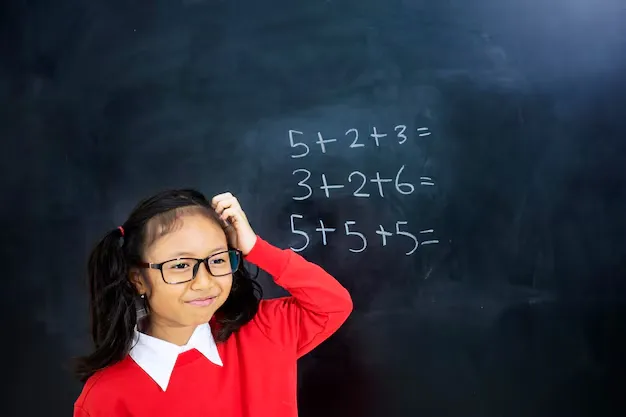
Mental math refers to the ability to perform calculations in the mind without using paper, calculators, or other external tools. It involves breaking down numbers, recognizing patterns, and applying strategies to arrive at answers quickly.
For example, instead of solving 48 + 27 using traditional written methods, a child trained in mental math might think:
- 48 + 20 = 68
- 68 + 7 = 75
This approach strengthens mental calculation skills by encouraging logical thinking rather than rote memorization.
To explore this concept in detail, you can refer to this comprehensive UCMAS Canada guide on understanding mental math meaning, benefits, and how to begin.
Why Mental Math Matters for Young Learners
Here are some reasons that make mental math important for young learners:
1. Builds Confidence in Mathematics
Many children struggle with math because they lack confidence. When they can solve problems quickly in their heads, it removes fear and builds self-assurance. Over time, this confidence spills into other academic areas as well.
2. Improves Classroom Performance
Students with strong mental math skills often perform better in school. They spend less time figuring out basic calculations and more time understanding concepts, which gives them an academic edge.
3. Encourages Independent Thinking
Mental math promotes problem-solving without reliance on tools. This independence is crucial for exams, real-life situations, and higher-level learning.
4. Develops Speed and Accuracy
Speed matters in today’s competitive academic environment. Mental math helps children process numbers faster while maintaining accuracy—an essential combination for success.
Brain Development Benefits of Mental Math
One of the most powerful aspects of mental math is its impact on cognitive growth. It’s not just about numbers—it’s about how the brain evolves.
1. Enhances Memory Retention
Mental math requires children to hold numbers in their working memory while solving problems. This strengthens memory over time, making it easier to retain and recall information.
2. Improves Concentration and Focus
When children practice mental math, they must stay fully engaged. This naturally improves attention span and reduces distractions.
To understand how this works in practice, explore how abacus training improves focus and memory in kids.
3. Boosts Visualization Skills
Many mental math techniques involve visualizing numbers and calculations. This enhances visual-spatial intelligence, which is linked to problem-solving and creativity.

4. Strengthens Both Brain Hemispheres
Mental math engages both the left brain (logic and numbers) and the right brain (visualization and imagination). This balanced development is a key component of brain development math training.
Mental Math vs Traditional Math Learning
Traditional Math Learning
- Limited engagement of visualization
- Focuses on written methods
- Relies on memorization
- Often slower in execution
Mental Math Learning
- Encourages thinking-based problem solving
- Builds speed and accuracy
- Uses visualization techniques
- Enhances overall cognitive development
Here is a table comparing the two:
| Aspect | Traditional Math Learning | Mental Math Learning |
| Approach | Step-by-step written methods and memorization | Thinking-based strategies and number sense |
| Speed & Accuracy | Slower due to multiple steps | Faster with strong accuracy through practice |
| Dependency on Tools | Requires paper, pencil, or calculators | Performed entirely in the mind |
| Brain Development | Primarily engages logical (left brain) skills | Engages both logic and visualization (whole brain) |
| Focus & Memory | Limited impact on memory and concentration | Improves memory, focus, and attention span |
| Real-Life Application | Less practical for everyday use | Highly useful for quick, real-world calculations |
While traditional math is essential, combining it with mental math creates a more holistic learning experience. Children not only understand math—they think mathematically.
How Abacus Training Powers Mental Math
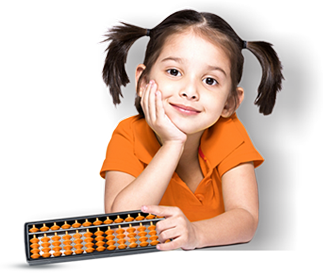
One of the most effective ways to develop mental math skills is through abacus training. The abacus is a simple tool, but its impact on the brain is profound.
Step 1: Physical Abacus Learning
Children start by using a physical abacus to understand numbers and basic operations.
Step 2: Visualization Stage
Gradually, they begin to visualize the abacus in their minds, performing calculations mentally.
Step 3: Speed and Mastery
With practice, children can solve complex problems quickly without any physical tool.
This method transforms mental math into a natural ability rather than a learned skill.
You can also explore some fun mental math tricks for kids to calculate faster to see how engaging and practical these techniques can be.
Real-Life Impact of Mental Math Skills
1. Better Decision-Making
From calculating discounts while shopping to managing time, mental math helps children make quick and accurate decisions.
2. Improved Problem-Solving Skills
Children learn to approach problems logically, breaking them down into manageable steps.
3. Strong Academic Foundation
Subjects like science, technology, and economics all require numerical understanding. Mental math builds a strong base for these disciplines.
4. Increased Confidence in Competitive Exams
Many exams require quick calculations. Students trained in mental math have a clear advantage in such scenarios.
Why Parents Choose UCMAS for Mental Math Training
Parents today are looking for programs that go beyond traditional education. This is where UCMAS stands out.
Structured Curriculum
UCMAS offers a step-by-step learning system that gradually builds mental math abilities.
Focus on Cognitive Development
The program emphasizes not just math skills but also memory, concentration, and visualization.
Proven Global Methodology
With a presence in multiple countries, UCMAS has a track record of helping children improve academically and cognitively.
Engaging Learning Environment
Classes are designed to be interactive, making learning enjoyable for children.
Long-Term Skill Development
The skills gained through UCMAS go beyond math—they prepare children for lifelong learning and problem-solving.
The Future of Learning: Why Mental Math Matters More Than Ever
As education evolves, the focus is shifting from memorization to skill-building. Mental math aligns perfectly with this shift. It equips children with the ability to think independently, solve problems efficiently, and adapt to new challenges.
From improving memory and concentration to boosting confidence and academic performance, the benefits of mental math are far-reaching.
For elementary students, starting early can make a significant difference. With the right training and guidance, children can develop strong mental calculation skills that support them throughout their academic journey and beyond.
Programs like UCMAS provide a structured and effective way to build these skills, making mental math accessible and engaging for young learners.
If you’re looking to give your child a strong foundation for the future, exploring mental math training is a great place to start.
Book our free abacus session to learn more!